CNC Milling 4-Axis

Precision matters most when geometry gets complex. Components with features on multiple faces, curved surfaces, angular profiles, and tightly toleranced relationships between features are the components that define the difference between adequate machining capability and genuine precision engineering capability. At Nawat Al Tashkeel Al Madani, our 4-axis CNC milling centres handle this complexity with the accuracy that Saudi Arabia's most demanding industrial, manufacturing, and engineering clients require.
We provide precision CNC machining services from our Riyadh and Alqassim facilities serving manufacturers, engineers, and industrial businesses across the Kingdom with components that meet their drawings, arrive on schedule, and are supported by a technical team that speaks their language.

Request a Machining Quote

4-AXIS CNC MILLING THE ENGINEERING ADVANTAGE

4-axis CNC milling extends standard 3-axis machining (linear movement in X, Y, and Z axes) by adding a fourth axis rotation around the X-axis (the A-axis). This rotational capability allows the workpiece to be repositioned during machining without unclamping and re-clamping, enabling features on cylindrical, curved, and multi-face surfaces to be machined in a single setup.
The engineering significance of this is precise and important: every time a workpiece is re-clamped in a 3-axis machine, the potential for positional error between pre-repositioning and post-repositioning features accumulates. On tight-tolerance components where the position of a hole on one face relative to a slot on an adjacent face may need to be held to ±0.05mm this repositioning error can be the difference between a component that assembles correctly and one that does not. 4-axis machining eliminates this by maintaining all features within the positional accuracy of a single setup.
For Saudi Arabia's manufacturing, oil and gas, and engineering sectors, local access to genuine 4-axis CNC machining capability means faster turnaround than overseas sourcing, direct technical communication with the machining team, and the ability to adjust designs and quantities in real time without the friction of international supply chains.

Call Our Engineering Team

WHAT WE MACHINE

Construction & Architecture

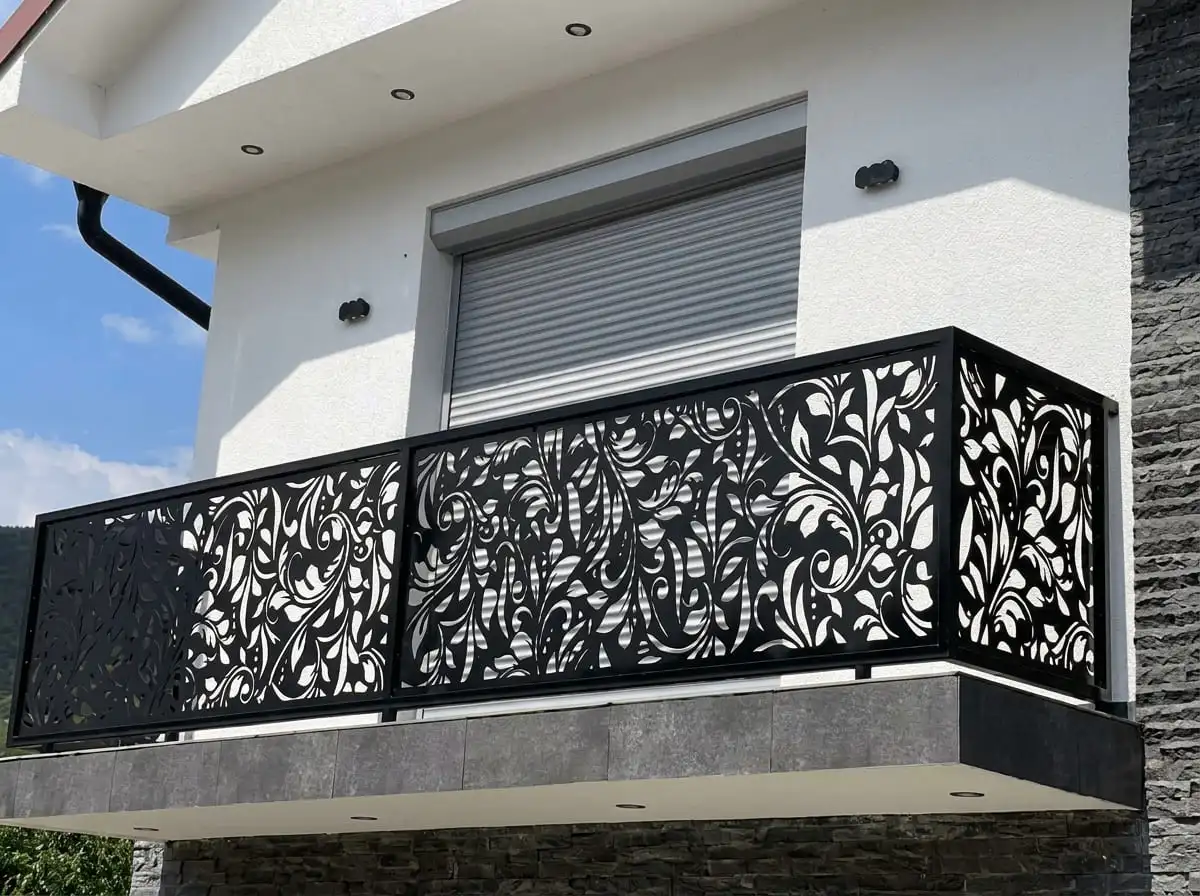
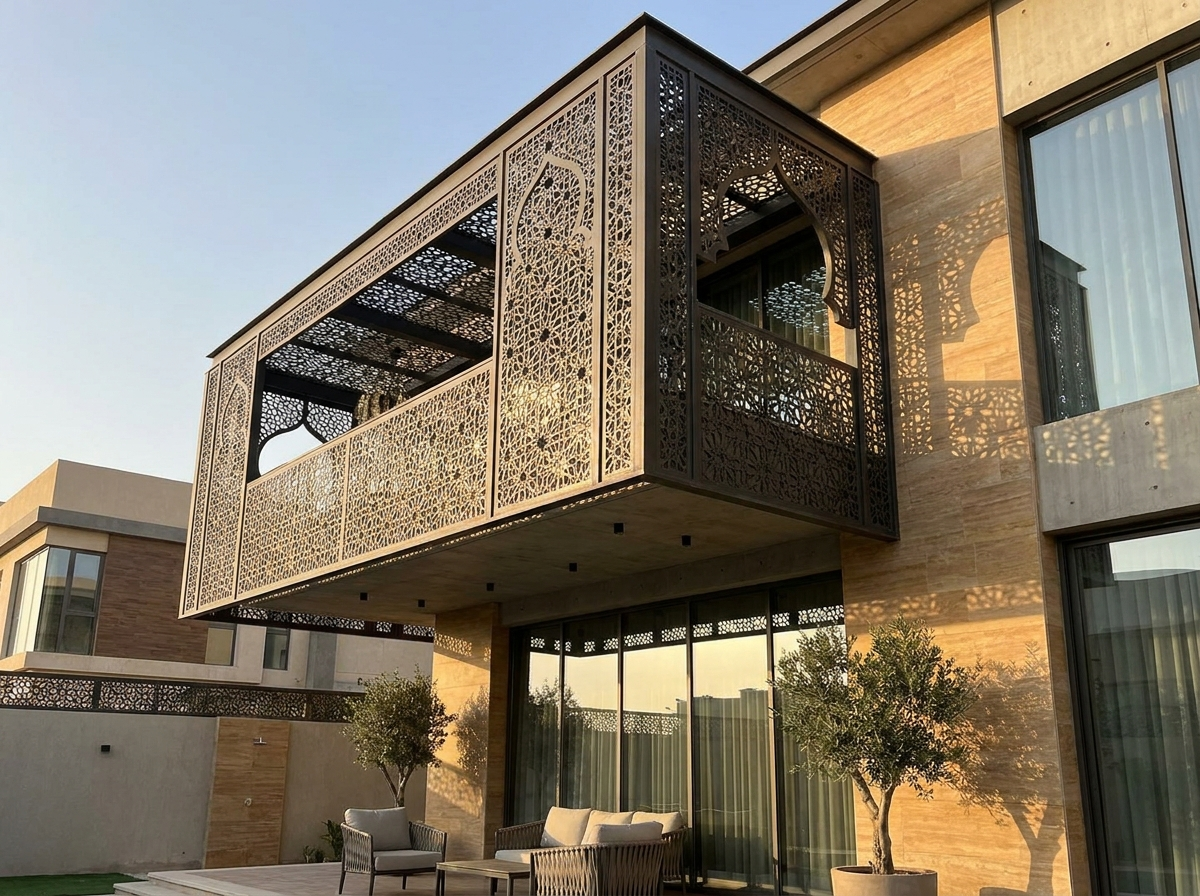
The construction programme underway in Riyadh is one of the most active in the world. Commercial towers, residential developments, luxury hospitality, public infrastructure, and mixed-use urban developments all require precision fabricated metal components at scale and quality standards that match the ambition of the projects themselves. Our Riyadh facility is positioned and equipped to serve this demand.

Prototypes and Development Parts

Fast-turn prototype machining for Saudi engineers and product developers. From a 3D model or preliminary drawing to a physical part suitable for assembly, testing, and dimensional validation our prototype machining service gives engineers the feedback they need quickly and cost-effectively. Prototype parts are machined in the specified production material or in aluminum for cost-effective early-stage testing.

Production Batch Components

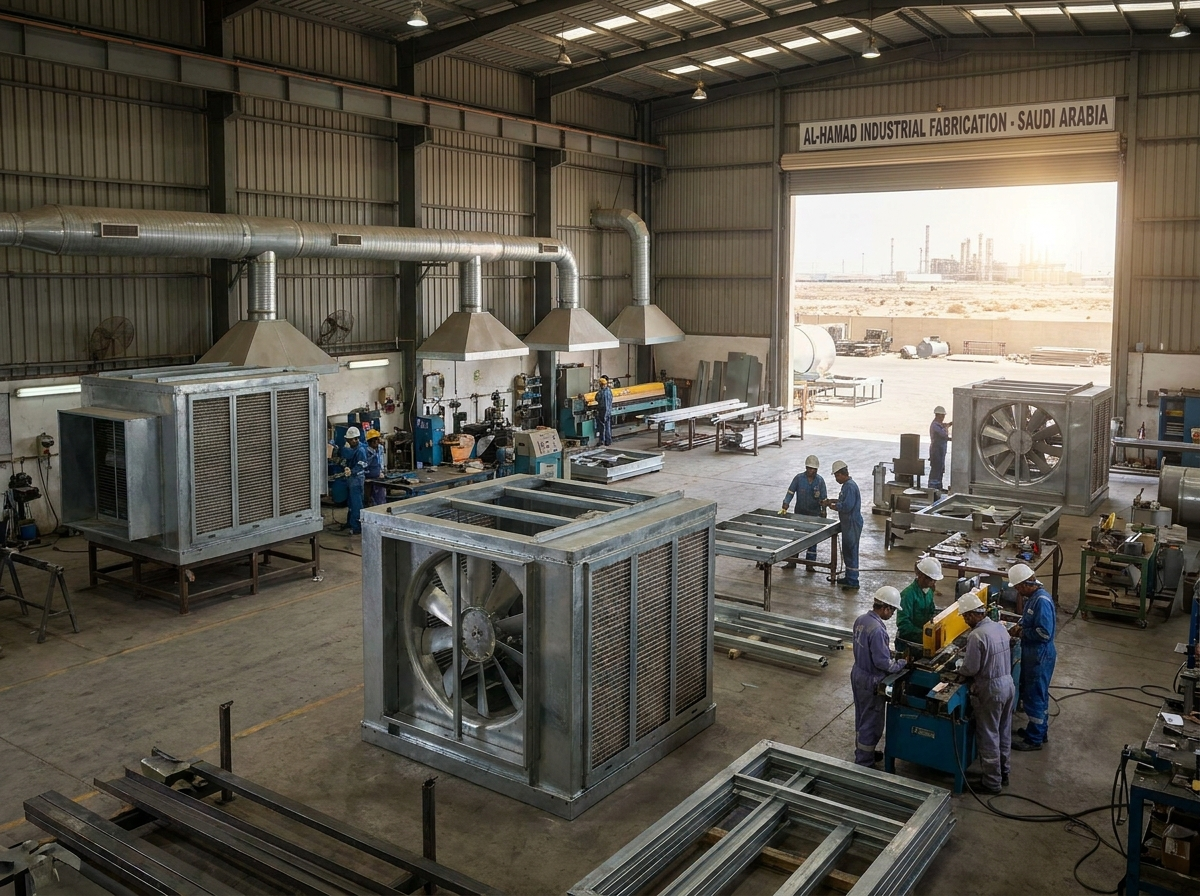
Our 4-axis milling centres run production batches with documented first-off inspection, in-process dimensional monitoring, and final inspection before dispatch. Tool wear is managed proactively to ensure consistent dimensional output from first part to last critical for components that need to assemble with parts from other suppliers.

Replacement and Obsolete Part Reproduction

When industrial equipment breaks down and the original spare part is unavailable or carries an unacceptable lead time, our reverse engineering and reproduction capability provides a local solution. With a physical sample or sufficient dimensional information, we design and machine replacement components in the correct material specification often in days rather than weeks.

Mold and Die Components

The cavity, core, and tooling components for our mold making service are produced on our 4-axis CNC milling centres. The accuracy of these machined components directly determines the quality of every part produced by the mold.

MATERIALS WE MACHINE

We machine a wide range of engineering and industrial materials including stainless steel, mild steel, carbon steel, aluminum alloys, brass, copper, engineering plastics, and pre hardened tool steels. Material selection is based on strength requirements, corrosion resistance, machining characteristics, and final application performance.

TOLERANCES AND SURFACE FINISH REFERENCE

Our 4 axis CNC milling centres are capable of producing high precision components with tight dimensional tolerances and consistent surface finishes suitable for industrial, engineering, and production applications. Achievable tolerances vary depending on material type, component geometry, tooling, and machining strategy.

Note: Achievable tolerances depend on material, geometry, and feature size. State your specific requirements clearly on the drawing and our engineering team will advise.
Process

OUR MACHINING PROCESS FROM DRAWING TO DELIVERED PART

Technical Drawing or 3D Model Review

Our engineering team analyses your design file for machinability, checking draft angles, tolerance feasibility, surface finish requirements, and any features that require special process consideration. We advise before committing to a delivery programme.

Material and Quotation

We confirm material grade, source the correct stock, and provide a fully itemised quotation covering material, machining operations, inspection, and delivery.

CAM Programming

Our CNC programmer generates optimised 4-axis toolpaths using professional CAM software, selecting cutting tools, speeds, feeds, and operation sequences that deliver the required surface finish and dimensional accuracy in the minimum cycle time.

Workpiece Setup and Datum Establishment

The workpiece is accurately located in the machine fixture and datum positions verified by measurement before machining begins.

First-Off Machining and Inspection

The first component is machined and fully inspected against the drawing specification before batch production proceeds. Setup adjustments are made if any dimension is outside specification.

Batch Production with In-Process Monitoring

Production parts are machined with periodic dimensional checks to detect any process drift before it affects a large quantity.

Final Inspection and Documentation

All finished components are inspected dimensionally and visually. Inspection reports are provided on request.

Deburring, Finishing, and Delivery

Components are deburred, surface-finished as specified, packaged to prevent transit damage, and delivered to your facility.

Custom Sheet Metal Fabrication

Do you machine components from customer drawings?

Yes. Most CNC milling Riyadh projects are manufactured directly from client supplied 2D drawings or 3D CAD models. We also provide in house design support for replacement parts, prototype development, and custom industrial components when technical drawings are not available.

What file formats do you accept for CNC machining projects?

We accept STEP, IGES, SolidWorks, DXF, DWG, and PDF files for 4 axis CNC machining Saudi Arabia projects. STEP format is generally recommended because it provides reliable geometry compatibility and accurate machining data for complex components.

Can you machine hardened tool steel materials?

Yes. Our CNC milling services KSA capability includes machining P20, H13, D2, and other tool steel grades used in mold making, industrial tooling, and precision engineering applications. Machining strategy depends on hardness level, dimensional tolerance, and surface finish requirements.

How accurate is your 4 axis CNC machining process?

Our precision CNC parts Saudi Arabia production process includes calibrated machine setup, first-off inspection, in process dimensional monitoring, and final quality verification to maintain consistent machining accuracy for industrial and engineering components.

How do you protect confidential client drawings and design files?

All client drawings, CAD models, specifications, and production files are handled with strict confidentiality. We do not share or reproduce proprietary designs outside the approved manufacturing scope, and non disclosure agreements can be arranged for sensitive industrial projects.